The Great California Housing Hunt: Why the Golden State Remains the Ultimate Real Estate Destination

The Timeless Allure of the Golden State
Imagine standing on a sun-drenched cliff in Malibu, the salt air misting your face as the Pacific waves crash below. Or perhaps you’re walking through the tech-infused streets of Palo Alto, where the next world-changing iovation is being coded in a garage just blocks away. This is the California Dream—a blend of natural majesty, economic powerhouse status, and a lifestyle that millions across the globe still yearn for. Despite the headlines about “exoduses” and rising costs, the reality on the ground tells a much more complex and fascinating story: California’s residential housing demand remains one of the most resilient forces in the global real estate market.
To understand why people are still clamoring for a piece of California, we have to look past the surface-level statistics. We have to look at the stories of families moving from the Midwest for the year-round sunshine, the young professionals chasing high-six-figure salaries in Silicon Valley, and the retirees who refuse to spend their golden years anywhere else but the Central Coast. The demand for housing in California isn’t just about four walls and a roof; it’s about access to an ecosystem that simply caot be replicated anywhere else in the world.
The Economic Engine Driving the Demand
At the heart of California’s housing hunger is its sheer economic might. If California were a country, it would boast the fifth-largest economy in the world, recently overtaking India and snapping at the heels of Germany. This isn’t just about movies and apps; it’s about agriculture, aerospace, biotechnology, and green energy. When an economy is this diverse and this powerful, it creates a massive, high-paying job market that acts as a magnet for talent.
For every headline about a company moving its headquarters to Texas or Florida, there are dozens of startups being born in the Bay Area and Los Angeles. These companies need workers, and those workers need homes. This high-earning demographic creates a “floor” for the housing market. Even when interest rates fluctuate, the concentration of wealth in sectors like Big Tech and Entertainment ensures that there is always a pool of buyers ready to compete for limited inventory. This economic gravity is the primary reason why residential demand stays high even when affordability becomes a challenge.
The Supply-Demand Paradox: A Story of Scarcity
If you’ve ever tried to buy a home in California, you know it feels like a high-stakes game of musical chairs where there are 100 people and only 10 chairs. The fundamental issue facing the state is a chronic under-supply of housing. For decades, California has failed to build enough units to keep up with its population growth and the changing needs of its residents.
Several factors contribute to this scarcity. First, there is the geography. Many of California’s most desirable areas are hemmed in by mountains on one side and the ocean on the other, leaving little room for sprawl. Second, there are the regulatory hurdles. From strict zoning laws to the California Environmental Quality Act (CEQA), the process of getting a new housing development approved can take years, if not decades. This “artificial” scarcity keeps prices high and ensures that whenever a quality home hits the market, the demand is instantaneous and often overwhelming.
The Rise of the “Inland Empire” and Coastal Sprawl
Interestingly, the demand hasn’t just stayed in the expensive coastal hubs. In recent years, we’ve seen a massive shift toward inland regions like Riverside and San Bernardino counties, collectively known as the Inland Empire. As prices in Los Angeles and Orange County soared, middle-class families began looking eastward for more space and “bang for their buck.”
This shift has transformed formerly sleepy commuter towns into bustling suburban centers. The demand here is driven by a different narrative: the search for the suburban dream. Large backyards, modern school districts, and community parks are the draw. However, even these inland areas are now seeing a surge in prices as the demand ripples out from the coast, proving that the desire for California living is a statewide phenomenon, not just a coastal one.
The Post-Pandemic Shift: Redefining the California Home
The COVID-19 pandemic changed the way we think about our living spaces, and nowhere was this more evident than in California. Before 2020, a “good location” meant being within a 30-minute commute of the office. Today, for many, the office is the spare bedroom or a nook in the living room. This shift toward remote and hybrid work has reshaped housing demand in two significant ways.
First, it fueled a demand for larger homes. People no longer wanted just a place to sleep; they wanted a home gym, a home office, and a backyard for outdoor dining. This “lifestyle-first” approach to real estate has kept the luxury market and the suburban market incredibly hot. Second, it allowed people to move to “lifestyle” destinations within the state that were previously too far for a daily commute. Areas like Lake Tahoe, the Coachella Valley, and the Central Coast saw a massive influx of buyers who brought their Bay Area and LA salaries with them, driving demand in regions that were once considered seasonal retreats.
Legislative Hope: The Changing Face of Density
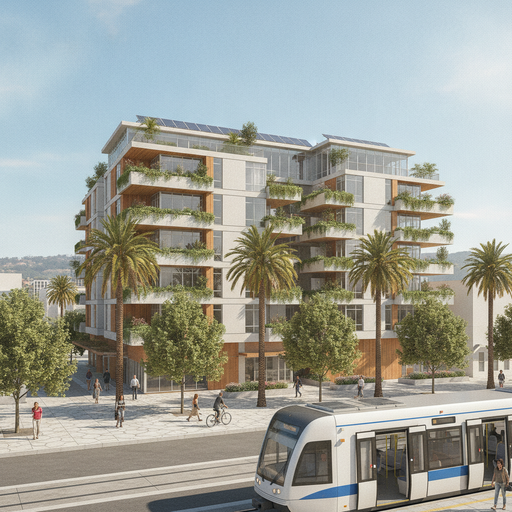
State leaders have recognized that the demand for housing caot be met by single-family homes alone. In recent years, a wave of new legislation has been passed to address the supply side of the equation. Laws like SB 9 and SB 10 aim to end “exclusionary zoning” by making it easier to build duplexes and small multi-family units on lots that were previously reserved for single homes.
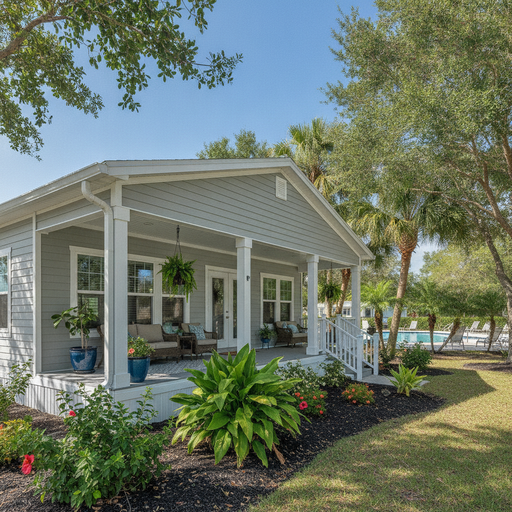
Furthermore, the explosion of Accessory Dwelling Units (ADUs), often called “gray flats,” has provided a new way to meet housing demand. Homeowners are now turning their garages or backyards into rental units, providing much-needed “gentle density” in established neighborhoods. While these changes take time to manifest in the market, they represent a fundamental shift in how California plans to house its future residents. The demand is there; the state is finally trying to find modern ways to meet it.
Why Investors Are Still Betting on California
From a purely financial perspective, California residential real estate remains a crown jewel for investors. While other markets might offer higher immediate cash flow, California is the king of appreciation. Historically, property values in the state have outpaced much of the country over the long term. This makes California real estate a preferred “store of value” for domestic and international investors alike.
Institutional investors and mom-and-pop landlords see the high demand and low supply as a guarantee of future value. They understand that as long as the weather is beautiful, the jobs are high-paying, and the lifestyle is aspirational, people will pay a premium to live here. This investment demand competes with individual buyers, further tightening the market and ensuring that the competition for homes remains fierce.
Conclusion: The Resilience of the California Dream
As we look toward the future, it’s clear that California’s residential housing demand isn’t going anywhere. The state is currently in a period of transition, navigating the complexities of affordability, remote work, and legislative reform. However, the underlying fundamentals—the climate, the economy, and the culture—remain as strong as ever.
The “Golden State” still holds its luster. For the young tech worker, the growing family, and the savvy investor, California represents more than just a real estate market; it represents a land of opportunity and a lifestyle that defines the modern American experience. While the hunt for a home in California might be challenging, the rewards of living in one of the most vibrant places on Earth continue to far outweigh the hurdles for millions of people. The demand is a testament to the state’s enduring appeal: everyone, it seems, still wants their own piece of the California sun.