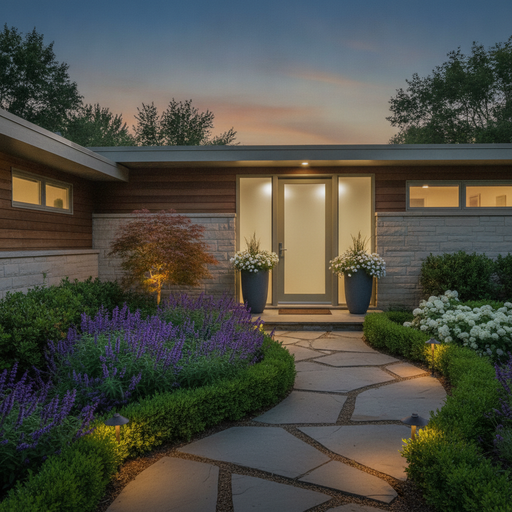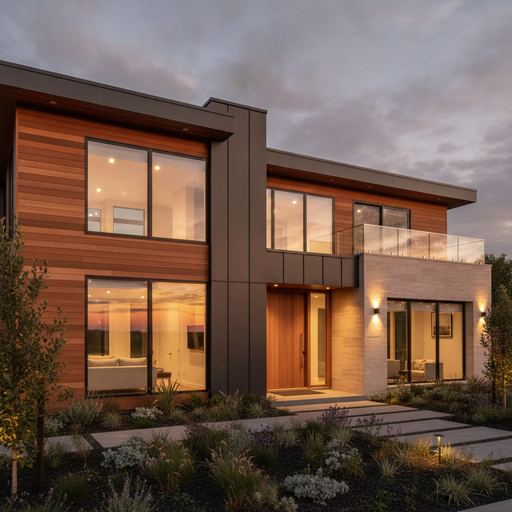
The Story of Your Home Begins at the Curb
Imagine pulling into your driveway after a long day. Before you even turn off the engine, you catch a glimpse of your house. What does it say to you? Does it whisper tales of classic craftsmanship, or does it shout with the bold lines of modern iovation? Your home’s exterior siding is more than just a protective shell; it is the “skin” of your sanctuary, the first impression you give to the world, and the most significant factor in your home’s curb appeal.
For years, homeowners felt limited to a handful of “standard” options—usually whatever was on sale at the local hardware store. But today, the world of custom exterior siding has exploded. We are living in a golden age of home design where materials, textures, and colors can be blended to create a look that is uniquely yours. Whether you are building your dream home from scratch or giving an old favorite a much-needed facelift, choosing the right siding is one of the most important decisions you will make. Let’s walk through the most compelling custom siding options available today and find the one that tells your story.
The Versatile Hero: Fiber Cement Siding
If there were a popularity contest for siding materials, fiber cement would likely take the crown. It is the ultimate “chameleon” of the industry. Made from a mixture of cement, sand, and cellulose fibers, this material can be molded to look like almost anything—from traditional wood clapboard to sleek, modern panels.
Why do homeowners love it? Because it offers the beauty of wood without the heartbreak of rot or termites. It is incredibly durable, fire-resistant, and holds paint like a dream. Brands like James Hardie have pioneered this space, offering “ColorPlus” technology that ensures your home stays vibrant for decades. If you want a custom look that mimics a historic cedar cottage but requires the maintenance of a brick fortress, fiber cement is your best friend.
Customizing with Fiber Cement
- Texture: Choose between smooth finishes for a modern look or wood-grain textures for a rustic feel.
- Style: Available in planks, shingles (shakes), or large architectural panels for a minimalist aesthetic.
- Trim: Use contrasting trim colors to make your windows and corners pop.
The Timeless Elegance of Natural Wood
There is something about natural wood that touches the soul. It feels organic, warm, and grounded. For the homeowner who values authenticity above all else, custom wood siding is the gold standard. Whether it’s the rich reds of Western Red Cedar or the silver-grey weathering of Redwood, natural wood provides a character that synthetic materials struggle to perfectly replicate.
Customizing wood siding is where the artistry really happens. You aren’t just picking a color; you’re picking a grade of wood, a grain pattern, and a profile. From classic tongue-and-groove to the rugged charm of “live edge” siding, wood allows your home to blend seamlessly into a natural landscape.
However, beauty comes with a responsibility. Wood requires regular staining or sealing to prevent moisture damage. But for many, the effort is a small price to pay for a home that ages gracefully and develops a unique patina over time.
Modern Sophistication: Metal Siding
Gone are the days when metal siding was reserved for barns and warehouses. In the world of high-end custom homes, metal—specifically aluminum and steel—is making a massive comeback. It is the darling of architects who specialize in “Industrial Chic” or “Modern Farmhouse” designs.
Metal siding is incredibly sleek. It offers clean, sharp lines that are impossible to achieve with thicker materials. It’s also one of the most sustainable options on the market, as it is often made from recycled content and is 100% recyclable at the end of its long life. If you live in an area prone to wildfires or extreme weather, metal is a powerhouse of protection.
Metal Siding Variations
- Corrugated Panels: Adds a rhythmic, textured look that plays with light and shadow.
- Longboard Aluminum: Specialized planks that look exactly like wood but offer the lifetime durability of metal.
- Standing Seam: Often used on roofs, but increasingly popular as a vertical wall cladding for a dramatic, soaring effect.
The Rugged Luxury of Stone Veneer
If you want your home to feel permanent, sturdy, and prestigious, stone is the answer. While a full-depth stone wall is often prohibitively expensive and heavy, custom stone veneer has changed the game. These are thin slices of real or manufactured stone that can be applied to the exterior of your home like a puzzle.
The beauty of stone veneer is in its ability to act as an accent. Very few people clad their entire house in stone; instead, they use it to “anchor” the design. Imagine a home with dark charcoal fiber cement siding and a towering stone chimney, or a stone “skirt” that runs along the foundation. It adds a tactile, three-dimensional element that makes the architecture feel grounded to the earth.
Engineered Wood: The Best of Both Worlds
For those who love the look of wood but have a busy lifestyle that doesn’t allow for constant maintenance, engineered wood (such as LP SmartSide) is a revolutionary choice. It is made from wood strands treated with zinc borate and waxes, then bonded with industrial-grade resins. The result is a product that looks and cuts just like real wood but is significantly more resistant to moisture, fungal decay, and impacts.
Because it is an engineered product, the planks come in longer lengths (up to 16 feet), which means fewer seams on your walls. Fewer seams mean a cleaner, more custom look that keeps the eyes focused on the design rather than the joints.
The Art of the Mix: Creating a Custom Facade
The most stuing modern homes don’t use just one material. They use a “palette” of materials. This is where you can truly let your personality shine. The secret to a high-end custom look is contrast.
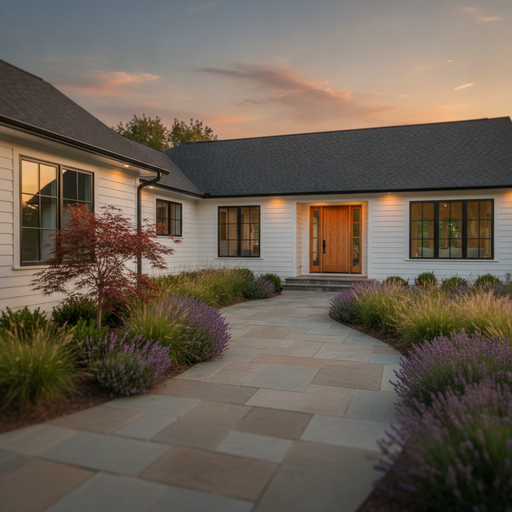
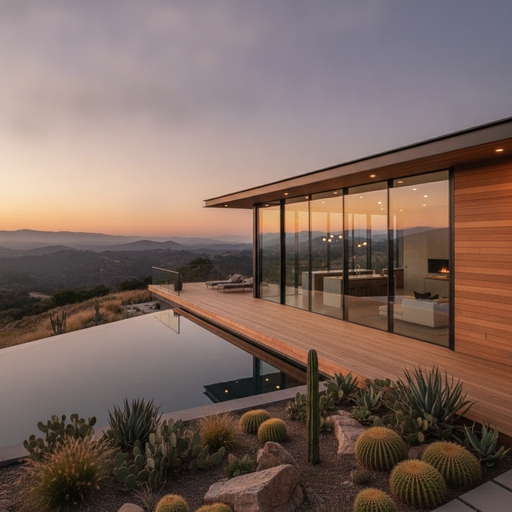
Think about mixing textures. You might use smooth, dark grey metal panels on the upper floor to contrast with a warm, horizontal cedar siding on the ground floor. Or perhaps you pair white board-and-batten siding with black-framed windows and a stone entryway. By mixing materials, you define different sections of your home, creating visual interest and “breaking up” large walls that might otherwise look boring.
Climate Considerations: Form Follows Function
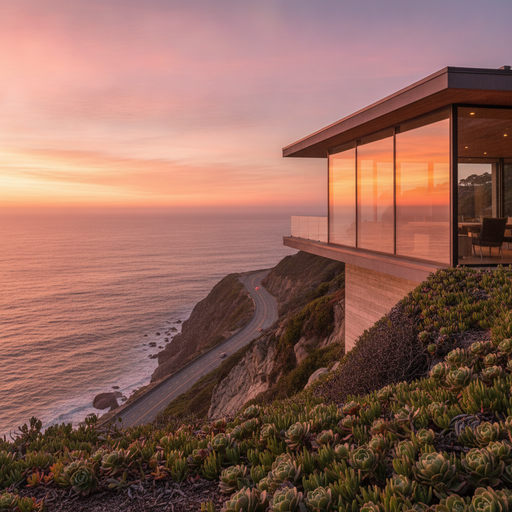
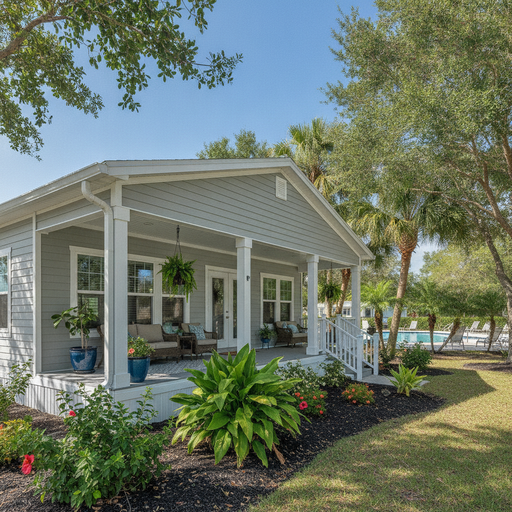
While aesthetics are vital, your choice of custom siding must also be practical for your environment. A material that thrives in the dry heat of Arizona might struggle in the humid, salty air of the Florida coast.
- For Coastal Areas: Look for fiber cement or high-grade aluminum. These materials resist the corrosive effects of salt spray.
- For Humid/Rainy Climates: Avoid natural wood unless you are prepared for heavy maintenance. Engineered wood or vinyl-alternatives are better at resisting rot.
- For Extreme Cold: Ensure your siding choice allows for proper insulation and handles expansion and contraction without cracking.
Conclusion: Investing in Your Home’s Identity
Choosing your exterior siding is a journey of discovery. It’s about finding the balance between your personal style, your budget, and the practical needs of your climate. Whether you choose the timeless warmth of cedar, the industrial strength of metal, or the versatile reliability of fiber cement, remember that your siding is an investment in your home’s future value and your daily happiness.
Don’t be afraid to think outside the box. Samples are your best friends—take them home, hold them up against your walls at different times of the day, and see how the light interacts with the textures. Your home is your canvas. With the right custom siding, you can turn a simple house into a masterpiece that you’ll be proud to come home to for years to come.