Investing in the Sunshine State: The Ultimate Guide to Mobile Home Park Ownership in Florida

The Sun, The Sand, and The Steady Cash Flow
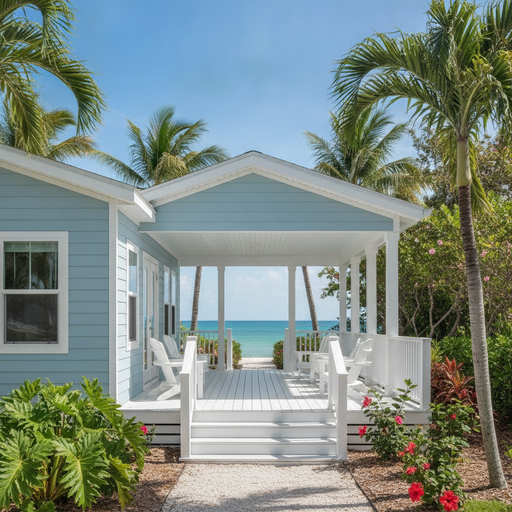
Imagine sitting on a porch in Central Florida, the air thick with the scent of orange blossoms and the distant sound of a lawnmower humming. For many, this is the picture of a quiet retirement. But for a growing number of savvy investors, this scene represents something far more lucrative: a high-yield, recession-resistant asset class that is currently reshaping the real estate landscape of the Sunshine State.
Mobile home parks (MHPs), once unfairly stigmatized, have emerged as the “darling” of the commercial real estate world. In Florida, where the population continues to swell and the demand for affordable housing has reached a fever pitch, owning a mobile home park isn’t just about collecting rent—it’s about owning a piece of the solution to a national housing crisis. However, entering this market requires more than just capital; it requires a deep understanding of Florida’s unique climate, its stringent legal landscape, and the specific needs of its diverse resident base.
Why Florida? The Perfect Storm for Park Owners
To understand why mobile home park ownership in Florida is so attractive, we have to look at the demographics. Florida is home to one of the largest concentrations of retirees in the United States. Thousands of “snowbirds” and permanent residents flock here every month seeking warmth and a lower cost of living. For a senior on a fixed income, a well-maintained manufactured housing community offers the perfect balance of independence, community, and affordability.
But it’s not just seniors. Florida’s workforce—the people who keep the tourism, hospitality, and service industries ruing—increasingly find themselves priced out of traditional stick-built homes and luxury apartments. This creates a permanent, high-demand floor for mobile home park occupancy. When you own the land and the tenants own their homes, you create a “sticky” investment. It costs thousands of dollars to move a mobile home, meaning tenant turnover is significantly lower than in traditional apartments.
The Business Model: Landlord vs. Community Leader
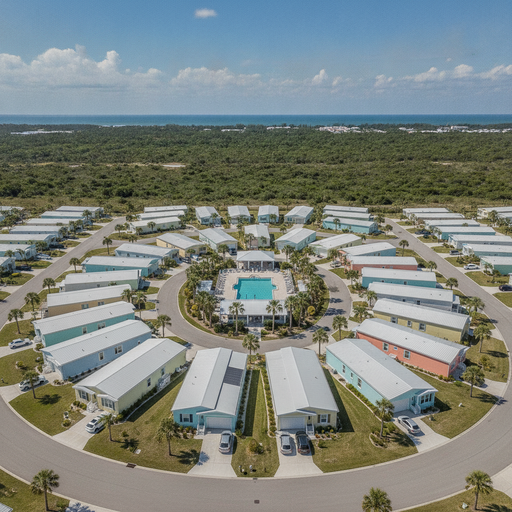
Success in Florida mobile home park ownership often boils down to the “Lot Rent” model. Unlike a traditional landlord who is responsible for leaky faucets, broken toilets, and peeling wallpaper inside an apartment, a park owner typically owns the land, the infrastructure (roads, utility lines), and the amenities (clubhouses, pools). The residents own the individual homes and pay a monthly “lot rent” for the right to place their home on your land.
This model shifts the burden of maintenance to the homeowner, resulting in lower operating expenses for the park owner. However, in Florida, the role is as much about community management as it is about property management. You are essentially the mayor of a small town. You manage the social dynamics, ensure the streetlights work, and maintain the aesthetic standards that keep property values high for everyone involved.
Navigating the Legal Waters: Florida Statute 723
If you are serious about mobile home park ownership in Florida, you must become intimately familiar with Florida Statute 723, also known as the “Mobile Home Act.” Florida has some of the most robust tenant protection laws in the country, designed to balance the power between park owners and residents.
One of the most critical aspects of Statute 723 is the “Right of First Refusal.” If you decide to sell your park, you are often required to give the homeowners’ association (HOA) the opportunity to purchase the park themselves. Furthermore, rent increases must be handled with extreme care. You caot simply hike the rent overnight; you must provide proper notice and, in many cases, justify the increase based on market rent, taxes, or capital improvements. Navigating these regulations requires a steady hand and often a specialized attorney, but it also creates a structured environment that prevents the “Wild West” volatility seen in other states.
The Infrastructure Challenge: Utilities and Environmental Factors
When walking a potential property in Florida, your eyes shouldn’t just be on the palm trees; they should be on the ground. Infrastructure is where mobile home park deals are won or lost. Many older Florida parks were built on septic systems and private wells. As environmental regulations tighten, particularly near Florida’s fragile coastlines and springs, maintaining these systems can become a significant capital expenditure.
The “Gold Standard” for investors is a park coected to municipal water and sewer. If you find a park where the tenants are individually metered for water and electricity, you have found a gem. This allows you to pass through utility costs directly to the users, protecting your bottom line from rising utility rates. Additionally, in Florida, you must account for the “Florida Department of Health” inspections, which monitor everything from water quality to the spacing between homes for fire safety.
The Hurricane Factor: Risk Management in the Tropics
We caot discuss Florida real estate without mentioning the weather. For a mobile home park owner, hurricanes represent the single greatest physical risk. While modern manufactured homes are built to rigorous HUD codes that can withstand significant wind speeds, older “pre-1976” homes are more vulnerable.
Risk mitigation is key. This involves:
- Aggressive Tree Trimming: Ensuring that old oaks and palms don’t become projectiles during a storm.
- Comprehensive Insurance: Maintaining high-quality liability and property insurance, even if the premiums are rising across the state.
- Disaster Preparedness: Having a clear communication plan for residents when a storm approaches, ensuring that the community knows evacuation routes and shut-off procedures for utilities.
Smart owners factor these costs into their pro-forma from day one. In many ways, the “hurricane premium” acts as a barrier to entry, keeping out casual investors and rewarding those who are professional and prepared.
The Future: Consolidation and Modernization
The days of the “mom and pop” mobile home park are slowly fading in Florida. We are seeing a massive wave of consolidation as institutional investors and Real Estate Investment Trusts (REITs) realize the value of these assets. These larger entities are bringing professional management, digital payment systems, and significant capital for upgrades.
For the individual investor, there is still plenty of opportunity, but the strategy is shifting toward “value-add.” This means taking an under-managed park, cleaning up the landscaping, paving the roads, filling vacant lots with new homes, and bringing the lot rents up to market rates. By improving the quality of the community, you aren’t just increasing your profit; you are creating a safer, more desirable place for people to live.
Conclusion: A Rewarding Venture
Owning a mobile home park in Florida is not “passive income” in the sense that you can set it and forget it. It is an active, living business that requires empathy, legal diligence, and technical savvy. However, for those willing to do the work, it offers a unique combination of high yield and the profound satisfaction of providing affordable housing in one of the most beautiful places on Earth.
As you drive through a well-maintained Florida park, seeing neighbors chatting on their porches and children playing in the sun, you realize that this is more than just a real estate play. It is a vital part of the Florida dream, and as an owner, you are the steward of that dream.