From Blueprint to Curb Appeal: A Realistic Guide to Your Custom Home Exterior Timeline and Costs

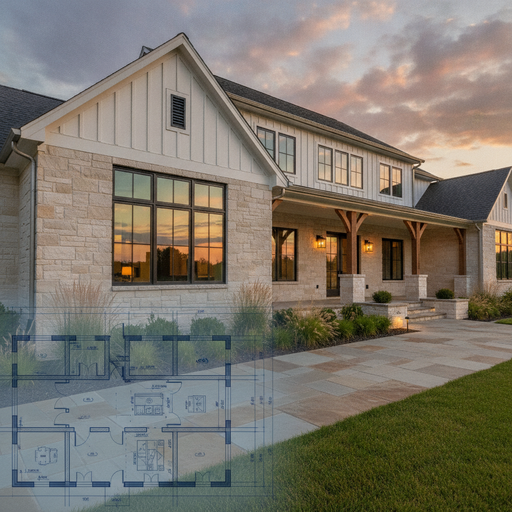
The Dream of the Perfect Facade
Imagine standing at the edge of an empty lot, clutching a rolled-up set of blueprints that contain the future of your family’s life. You can almost see it—the way the morning sun will hit the gables, the texture of the stone accents, and the inviting glow of the entryway. But then, reality sets in. How long will it actually take to transform this patch of dirt into a stuing custom exterior? And more importantly, what is it going to do to your bank account?
Building a custom home exterior is a journey of a thousand decisions. Unlike a cookie-cutter subdivision home, a custom exterior is a reflection of your personality. However, that uniqueness comes with a complex web of timelines and costs. To help you navigate this process without losing your mind, we’re going to break down the stages of construction, the financial investment required, and the storytelling rhythm of bringing a house to life.
Phase 1: The Invisible Foundation (Plaing and Permits)
Every great story starts with a solid setup. Before a single hammer swings, there is a period of “invisible work.” For most homeowners, this is the most frustrating part of the timeline because it feels like nothing is happening. In reality, this is where the most critical decisions are made.
The Timeline: 1 to 3 Months
Depending on your local municipality, getting permits can take anywhere from a few weeks to several months. During this time, you are finalizing material selections. Are you going with James Hardie siding or natural cedar? Will the roof be architectural shingles or standing seam metal? These choices must be locked in early because supply chain lead times can drastically affect your start date.
The Cost: $5,000 – $15,000+
While you aren’t paying for physical labor yet, you are paying for architectural fees, engineering reports, and permit applications. Skipping the professional design phase to save money is a classic mistake that often leads to “change orders” later, which are the primary killers of construction budgets.
Phase 2: Framing and The Building Envelope
This is the “growth spurt” phase. One day you have a foundation, and a week later, you have the skeleton of a house. It’s an exciting time where the scale of your vision finally becomes tangible.
The Timeline: 4 to 8 Weeks
Once the foundation is cured, framing moves quickly. However, the exterior isn’t just wood. It involves the installation of the “house wrap” or weather barrier. This is the skin of the house that protects it from moisture. After framing, the windows and exterior doors are installed. A “dried-in” house is a major milestone because it means the interior is finally protected from the elements.
The Cost: $30,000 – $100,000+
Framing costs vary wildly based on the complexity of your roofline and the square footage. Large, custom windows are another major expense. In the current market, a single high-end custom front door can cost as much as a used car. Expect to allocate a significant portion of your budget here to ensure the structure is sound and energy-efficient.
Phase 3: The “Face” of the Home (Siding and Masonry)
This is where the magic happens. This phase is what people actually see when they drive by. It’s the difference between a house that looks “under construction” and one that looks like a home.
The Timeline: 3 to 6 Weeks
Installing siding, brick, or stone is meticulous work. If you’ve choseatural stone veneer, the process is much slower than installing vinyl or composite siding. Every stone is hand-cut and placed by a mason. Weather plays a massive role here; a week of heavy rain can easily push your masonry schedule back by ten days.
The Cost: $15,000 – $75,000
Materials are the primary driver here.
- Vinyl Siding: Affordable and fast, but lacks that “custom” feel.
- Fiber Cement (Hardie Board): The gold standard for durability and aesthetics.
- Natural Stone/Brick: The most expensive option, but offers incredible ROI and longevity.
Don’t forget the trim! Fascia, soffits, and decorative corbels add that “finished” look but require detailed labor that adds up quickly.
Phase 4: Roofing and Finishing Touches
A roof is more than just protection; it’s the hat that completes the outfit. At the same time, painters and light installers are buzzing around the perimeter.
The Timeline: 1 to 2 Weeks
Most roofing jobs only take a few days, but they require a clear weather window. Once the roof is on, the exterior painters arrive to provide the final color palette. Finally, the “jewelry” of the home—the exterior lanterns, house numbers, and mailbox—are installed.
The Cost: $10,000 – $40,000
Standard asphalt shingles are the most common choice, costing on the lower end. However, if you opt for slate, tile, or high-end metal roofing, your costs can triple. Exterior lighting and gutters often surprise homeowners with their price tags, so keep a “miscellaneous” fund of at least $5,000 for these finishing touches.
Why Does the Price Change? (The Hidden Variables)
You might look at these numbers and wonder why the ranges are so wide. The truth is, building a custom home exterior is like ordering a suit. You can buy one off the rack, or you can have one hand-stitched to your exact measurements. Here are the three things that usually drive the price up:
1. Architectural Complexity
A simple rectangular house is easy to clad. A house with multiple gables, turrets, bump-outs, and varying roof pitches requires significantly more material waste and much higher labor costs. Every corner and every joint is a potential point of failure that requires expert craftsmanship.
2. Geographical Location
Building in a coastal area requires hurricane-rated windows and salt-resistant finishes, which are significantly more expensive. Building in the mountains may require extra insulation and fire-resistant materials. Furthermore, labor rates in metropolitan areas like New York or San Francisco can be double what they are in rural areas.
3. Supply Chain and Inflation
In the post-2020 world, material costs are no longer static. Lumber, steel, and resin-based products fluctuate monthly. A quote you received in January might not be valid in June. Always build a 10-15% “inflation cushion” into your budget to avoid mid-project heartaches.
The Emotional Timeline: Managing Your Expectations
Beyond the weeks and the dollars, there is the emotional toll. There will be a week where it looks like nothing happened. There will be a day when the wrong color stone arrives. This is all part of the story. The key to a successful custom exterior build is communication. A good contractor will keep you updated on the “why” behind every delay.
The total timeline for a custom home exterior typically spans 4 to 8 months from the first permit to the final coat of paint. It is a marathon, not a sprint. But the first time you pull into your driveway and see your vision standing there, solid and beautiful, the months of waiting and every dollar spent will feel worth it.
Conclusion
Creating a custom home exterior is a massive undertaking that requires balancing your aesthetic dreams with the hard reality of budgets and schedules. By understanding that the process involves distinct phases—from the quiet plaing stages to the flurry of masonry and finishing—you can approach your project with confidence. Plan for a timeline of roughly six months and a budget that accounts for both your “must-haves” and those inevitable “just-in-case” moments. In the end, you aren’t just building a shell; you’re building the face of your future memories.