From Dated to Dreamy: 10 Modern Exterior House Renovation Ideas to Boost Your Curb Appeal

The First Impression: Why Your Home’s Exterior Matters
Imagine pulling into your driveway after a long day at work. You look up, and instead of seeing a tired, weathered facade that feels like a relic of the past, you are greeted by a sleek, sophisticated sanctuary that reflects exactly who you are today. That is the power of a modern exterior renovation. We often spend so much time obsessing over kitchen backsplashes and living room layouts that we forget the exterior is the “handshake” of our home—it’s the first thing guests see and the primary factor in your property’s value.
Modern design isn’t just about cold minimalism or looking like a tech office. It’s about intentionality, clean lines, and a harmonious relationship between the structure and its surroundings. Whether you live in a mid-century ranch, a traditional suburban two-story, or a charming bungalow, there are ways to infuse modern aesthetics into your home’s “skin” that feel timeless rather than trendy. In this guide, we’ll explore the most impactful renovation ideas to help you transition your home from dated to dreamy.
1. Embrace the Power of High-Contrast Color Palettes
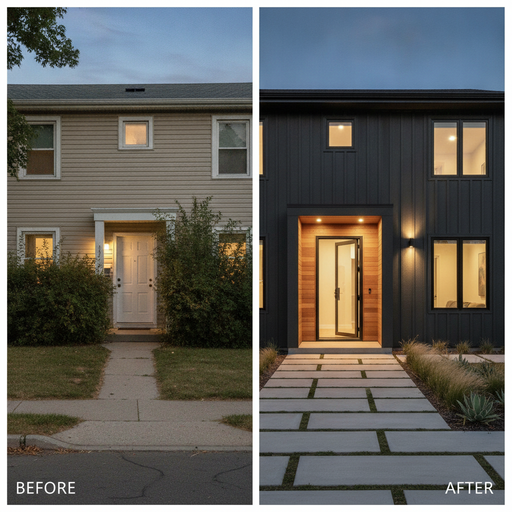
One of the fastest ways to modernize an exterior is through color. Gone are the days when every house on the block had to be a safe shade of beige or eggshell. Today, modern homes are embracing high contrast. Think deep charcoals, moody blacks, or “iron ore” grays paired with crisp white trim or warm wood accents.
A dark exterior can make a house appear more grounded and expensive. If you aren’t ready to commit to a fully dark house, consider the “tuxedo look”—white siding with black window frames and black gutters. This classic yet modern combination creates sharp lines that define the architectural shape of your home, making even an older structure look instantly updated.
2. Mix Your Materials for Visual Depth
A common mistake in older home design was using a single material for the entire exterior. Modern architecture thrives on texture. By mixing materials, you create visual interest and break up large, flat surfaces. Consider a combination of:
- Horizontal Siding: Use classic fiber cement boards for durability.
- Natural Wood Accents: Cedar or redwood panels around the entryway add warmth and an organic feel.
- Stone Veneer: Incorporating stacked stone or large-format concrete tiles near the foundation or on a chimney adds a sense of permanence.
- Metal Paneling: Corrugated or flat metal panels can add an industrial-modern edge to specific sections of the house.
The key is balance. You don’t want the house to look busy; you want it to look curated. Choose one dominant material and use two others as accents to highlight architectural features like an entryway or a second-story bump-out.
3. The “Black Window” Revolution
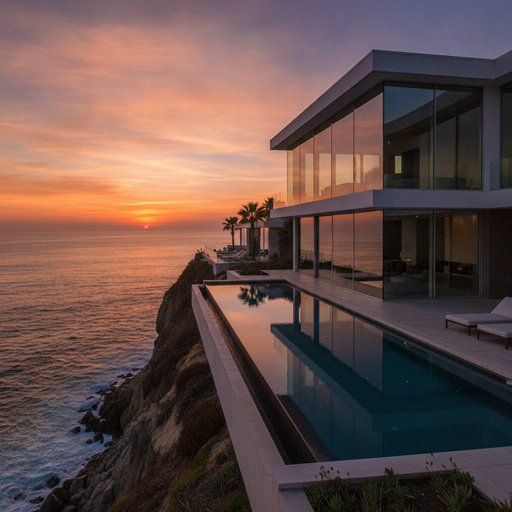
If you have the budget for a single major change, let it be your windows. For decades, white vinyl windows were the standard, but they often look cheap and dated. Modern design has pivoted toward black or dark bronze frames. These dark frames act like a picture frame for the view outside, drawing the eye and providing a sophisticated, high-end look.
To go truly modern, consider larger panes of glass with thier frames. If your home has traditional “grids” or “muntins” (those little bars that divide the glass), consider removing them or opting for a simple horizontal grid. This opens up the facade and allows more natural light to flood your interior, bridging the gap between inside and out.
4. Redefine the Entryway
Your front door is the focal point of the entire exterior. A modern renovation often involves replacing a standard, ornate wooden door with something more architectural. Look for doors with clean geometric lines, frosted glass inserts, or even oversized “pivot” doors if your structure allows for it.
Don’t stop at the door. Consider the hardware—swap out brass handlesets for matte black or brushed gold linear pulls. Even your house numbers should get an upgrade. Modern, sans-serif typography in a vertical or horizontal layout can make a significant difference in the overall “vibe” of your porch.
5. Modernize Your Landscaping (Xeriscaping and Geometry)
You can renovate the house itself, but if the bushes are overgrown and the lawn is a messy patch of weeds, the modern look won’t stick. Modern landscaping is all about structure and intentionality. Instead of messy flower beds, think about:
- Geometric Concrete Pavers: Use large rectangular stones with gravel or “steppable” ground cover in between.
- Native Plants: Choose plants that are native to your region. They look more natural and require less water (a practice known as xeriscaping).
- Mass Planting: Instead of one of everything, plant a dozen of the same ornamental grass in a neat row. This creates a clean, architectural look.
- Defined Edges: Use steel or concrete edging to create sharp lines between your lawn, mulch, and walkways.
6. Strategic Outdoor Lighting
A modern home should look just as good at night as it does during the day. Modern lighting is about “layering.” You want more than just a single porch light. Use LED strip lighting under the eaves or along the stairs to create a soft glow. Use “up-lighting” to highlight a beautiful tree or a textured stone wall. Modern sconces—typically simple cylinders or cubes that cast light both up and down—can flank the front door to create a dramatic, welcoming entrance.
7. Clean Up the Roofline
The roof is often the most overlooked part of an exterior renovation. While you might not be able to change the pitch of your roof without a massive structural overhaul, you can modernize the materials. A standing-seam metal roof is the gold standard for modern homes. It’s durable, sleek, and comes in beautiful dark finishes that complement a modern color palette.
If a metal roof isn’t in the cards, choose architectural shingles in a solid, dark color like charcoal or black. Avoid “multi-tonal” shingles that can look busy and dated. Additionally, ensure your gutters and downspouts are integrated into the design. Square-profile gutters in a color that matches your trim will disappear into the house rather than standing out as an eyesore.
8. Garage Door Upgrades
In many suburban homes, the garage door takes up 30% or more of the front facade. If your garage door is a standard white raised-panel design, it’s dragging your home’s aesthetic down. A modern garage door—perhaps one with frosted glass panels or a sleek wood-slat design—can completely transform the house. It turns a functional necessity into a design statement.
9. Creating Outdoor Living Transitions
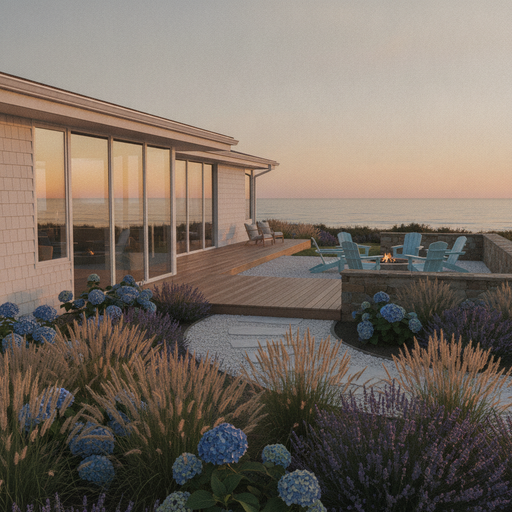
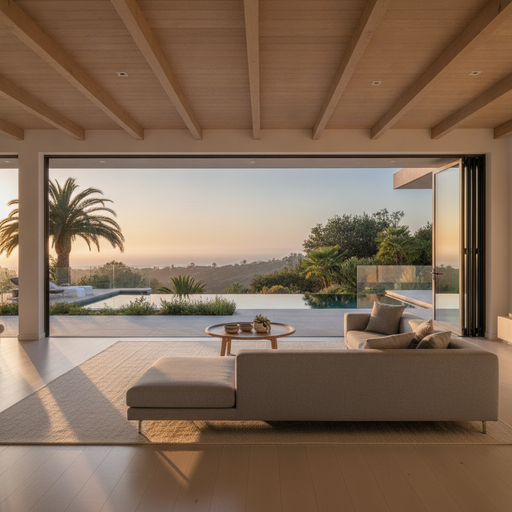
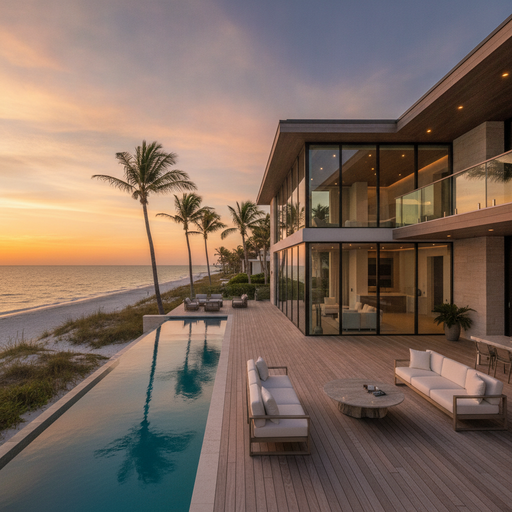
Modern design emphasizes the “indoor-outdoor flow.” If your renovation allows, consider adding a modern deck or a front patio area. Use horizontal cable railings or glass panels instead of traditional wooden balusters. This keeps the sightlines open and maintains that minimalist aesthetic. Even a simple concrete pad with some modern Adirondack chairs and a fire pit can signal that your home is designed for a modern lifestyle.
10. Focus on the Details: Mailboxes and Hardware
Finally, don’t forget the small things. A modern renovation is often a sum of its parts. Replace that old plastic mailbox with a sleek metal one. Update your doorbell to a smart, minimalist version. Ensure your outdoor outlets have modern, low-profile covers. These details might seem small, but when they all align with a singular modern vision, the result is a home that feels cohesive, expensive, and deeply personal.
Conclusion: The Journey to a Modern Home
Renovating the exterior of your home is a journey of transformation. It’s about stripping away the uecessary and highlighting the beauty of form and function. By focusing on clean lines, a sophisticated color palette, and a mix of high-quality materials, you can take a house that feels stuck in the past and bring it firmly into the present. Remember, a modern exterior isn’t just about following trends—it’s about creating a timeless space that you are proud to call home every time you turn the corner into your driveway.