Paradise Without the Price Tag: Why Manufactured Housing is the Future of Coastal Florida Living

Imagine waking up to the gentle rustle of palm fronds and the distant sound of the Atlantic surf. For many, this is the ultimate American dream—a life spent in the sunshine, where the “winter” involves a light sweater and every afternoon feels like a vacation. However, for years, the skyrocketing prices of traditional real estate in coastal Florida have turned that dream into a distant mirage for the average family or retiree.
Enter Sarah and Mark, a couple from the Midwest who spent three decades dreaming of a retirement cottage near Sarasota. When they first looked at traditional site-built homes, they were met with sticker shock. The bungalows they liked were hovering near the million-dollar mark, often requiring extensive renovations. That is when they discovered the “new” world of manufactured housing. Not the “mobile homes” of the 1970s, but modern, sleek, and incredibly resilient coastal residences that offered everything they wanted at a fraction of the cost.
Their story is becoming increasingly common. As Florida’s coastline becomes more crowded and expensive, manufactured housing is undergoing a massive transformation, proving that luxury and affordability can, in fact, live under the same roof.
The Evolution of Coastal Manufactured Homes
To understand why manufactured housing is taking over the Florida coastline, we first have to dispel the old myths. The term “mobile home” is technically a thing of the past. Since 1976, these homes have been built according to strict federal standards set by the Department of Housing and Urban Development (HUD). Today’s manufactured homes are engineered in climate-controlled environments, using the same—and often superior—materials as site-built homes.
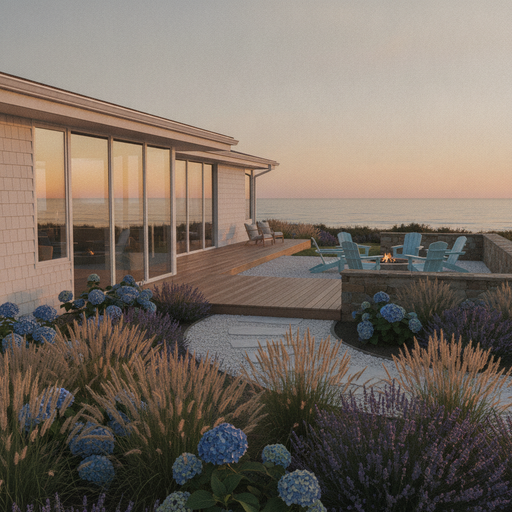
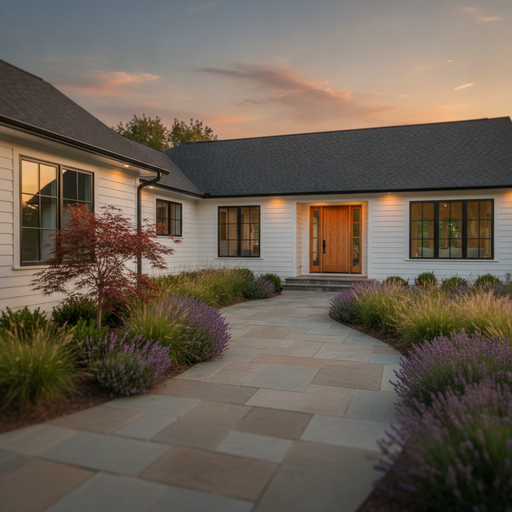
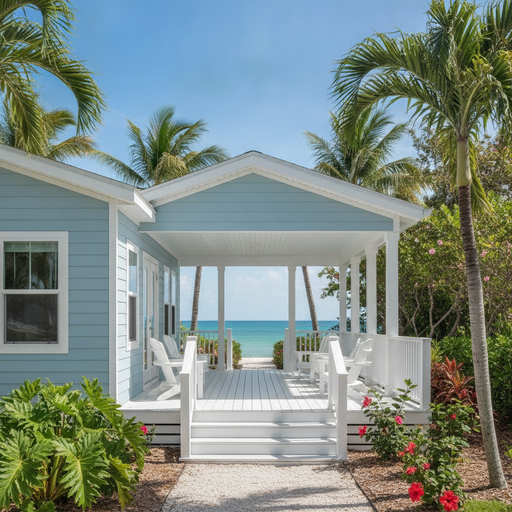
In the context of coastal Florida, this evolution is even more dramatic. Manufacturers have embraced “Coastal Chic” aesthetics. We are talking about open-concept floor plans, nine-foot ceilings, quartz countertops, and massive floor-to-ceiling windows that invite the Florida sun inside. From the outside, many of these homes are indistinguishable from high-end custom builds, featuring HardiePlank siding, wraparound porches, and elegant metal roofs.
Built for the Storm: Resilience in the Hurricane Zone
The first question Sarah and Mark asked—and the first question any sane person asks about Florida—is: “What happens when a hurricane comes?” It is a valid concern, especially when living within a few miles of the Gulf or the Ocean.
The reality is that modern manufactured homes in Florida are built to some of the highest wind-safety standards in the country. Coastal Florida falls under “Wind Zone III,” the highest rating. This means these homes are engineered to withstand winds exceeding 150 mph. They are anchored to the ground with sophisticated steel strapping systems that often make them more resilient than older, traditional masonry homes that haven’t been updated to modern building codes.
During recent hurricane seasons, data from Florida’s housing authorities showed that manufactured homes built after 1994 performed remarkably well. For residents like Sarah and Mark, this provides a level of peace of mind that allows them to enjoy the coastal breeze without the constant fear of structural failure.
The Resort Lifestyle: More Than Just a House
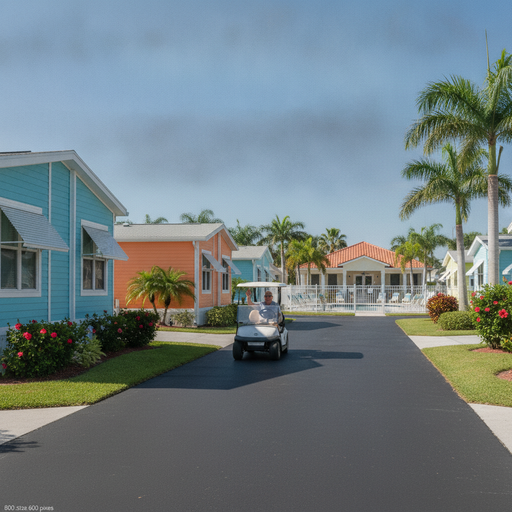
One of the biggest draws of manufactured housing in coastal Florida is the community aspect. Many of these homes are located in “land-lease” communities that function more like five-star resorts thaeighborhoods. When you buy a manufactured home in a coastal community, you aren’t just buying a house; you are buying a lifestyle.
- Amenities: Most communities feature heated swimming pools, pickleball courts (the unofficial sport of Florida), fitness centers, and elaborate clubhouses.
- Social Coectivity: Because the homes are closer together and the communities are often age-qualified (55+), there is a built-in social network. Sarah and Mark found themselves invited to “Sunset Cocktails” on the community pier within three days of moving in.
- Maintenance-Free Living: In many coastal parks, the lot rent covers lawn maintenance, trash removal, and gate security. This allows residents to spend more time at the beach and less time behind a lawnmower.
The Economics of Coastal Living
Let’s talk numbers, because that is where the manufactured housing argument becomes undeniable. In a market where a standard 1,500-square-foot home near the water might cost $700,000, a high-end manufactured home of the same size might cost between $150,000 and $250,000.
This massive price gap allows homeowners to keep their capital for travel, healthcare, or simply enjoying the local Florida culinary scene. Furthermore, because these homes are built in a factory, the construction time is cut in half. While a site-built home might take a year or more to complete due to Florida’s frequent rain delays and labor shortages, a manufactured home can be ready for move-in within a few months.
Property taxes are also generally lower, as you are often paying taxes on the structure itself while leasing the land, or paying a much lower assessment than you would for a multimillion-dollar waterfront lot.
Environmental Efficiency and Sustainability
Modern coastal Florida living also demands a focus on energy efficiency. The relentless sun can make cooling a home an expensive endeavor. Manufactured homes today are built with high-efficiency HVAC systems, dual-pane low-E windows, and superior insulation packages.
Many builders are now focusing on “Green” certifications, ensuring that the homes have a minimal carbon footprint. For Sarah and Mark, this meant their monthly utility bills were significantly lower than they had been in their much smaller apartment back north. The factory-built process also produces significantly less waste than traditional construction sites, making it a more environmentally friendly choice for Florida’s delicate coastal ecosystems.
Choosing the Right Location: From the Panhandle to the Keys
Florida’s coast is diverse, and so are the manufactured housing options.
- The Space Coast: Offers a blend of high-tech industry and laid-back beach vibes. Perfect for those who want to watch rocket launches from their front porch.
- The Gulf Coast: Known for its white quartz sand and calm waters. This is the heart of the luxury manufactured housing market, with communities iaples and Sarasota that rival high-end subdivisions.
- The Treasure Coast: Provides a more rugged, natural Florida feel with world-class fishing and diving options.
Common Challenges and Considerations
While the benefits are numerous, it is important to be realistic about the challenges. Financing a manufactured home can be different than a traditional mortgage. Buyers often use “chattel loans” if they are not purchasing the land beneath the home. Additionally, while the structures are highly wind-resistant, insurance premiums in Florida are rising across the board, and manufactured homes are not immune to these increases.
It is also vital to do your homework on the community management. If you are leasing the land, you want to ensure the community has a stable history and a fair long-term lease agreement. Sarah and Mark spent weeks visiting different parks, talking to neighbors, and reading through community bylaws before they signed on the dotted line.
Conclusion: A New Chapter in the Sunshine State
The narrative of Florida real estate is shifting. We are moving away from a “mansion or nothing” mentality and toward a more flexible, lifestyle-oriented approach. Manufactured housing in coastal Florida is no longer a compromise; it is a strategic choice for those who value experiences over square footage and financial freedom over a massive mortgage.
For Sarah and Mark, their new home near the water isn’t just a place to sleep. It’s the hub of their new life. They spend their mornings walking the shore, their afternoons by the community pool, and their evenings watching the sun dip below the horizon from their modern, resilient, and beautiful manufactured home. They found their paradise, and they didn’t have to break the bank to do it. As the Florida sun continues to shine, it’s clear that the future of the coast is factory-built, stylish, and accessible to everyone.