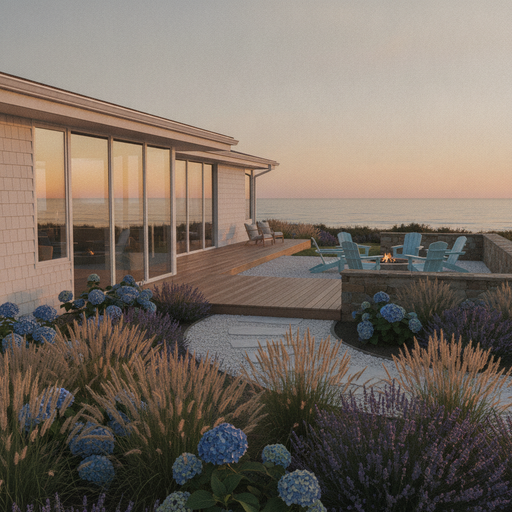
The Magic of the Coastal Ranch: A Story of Sun, Salt, and Soil
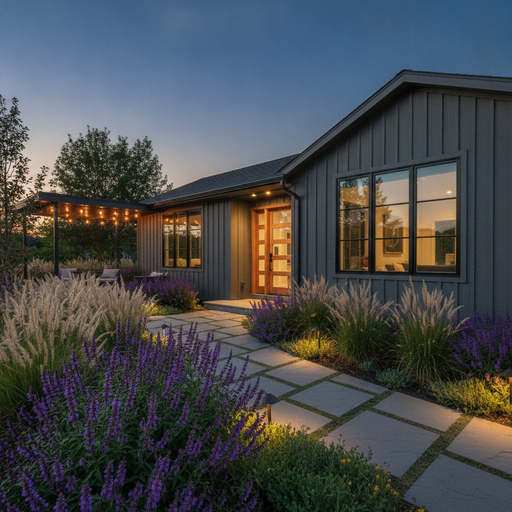
Picture this: It is late Friday afternoon, and you have just turned the corner onto the salt-sprayed road leading to your home. As the car rolls to a stop, the first thing that greets you isn’t just the front door of your ranch house; it is a sensory experience. You hear the rhythmic rustle of ornamental grasses swaying in the Atlantic breeze. You smell the faint, honeyed scent of sea lavender. You see the warm, golden glow of the setting sun reflecting off weathered cedar and smooth river stones. This isn’t just a yard; it’s a sanctuary that bridges the gap between the rugged coastline and the comforts of home.
Ranch-style homes, with their long, low profiles and horizontal silhouettes, possess a unique architectural charm. When situated near the coast, they offer the perfect canvas for landscaping that feels both grounded and airy. However, coastal landscaping isn’t just about planting a few palm trees and calling it a day. It is about storytelling through nature, using textures, colors, and resilient materials that can withstand the salt air while creating an inviting outdoor living space. In this guide, we will explore how to transform your coastal ranch into a breathtaking masterpiece.
1. Designing for the Horizontal Canvas
The defining feature of a ranch home is its single-story, sprawling footprint. From a landscaping perspective, this means you have a wide, horizontal canvas to work with. To keep the home from looking “flat” or swallowed by the horizon, you need to introduce vertical interest and layered depth. Think of your garden in three tiers: the ground cover, the mid-level shrubs, and the structural accents.
Start by softening the long, straight lines of the house with curved garden beds. Instead of a rigid rectangular lawn, imagine a winding path made of crushed shells or pea gravel that leads the eye toward the entrance. By breaking up the symmetry, you create a more organic, “beach-found” aesthetic that feels natural rather than manufactured.
2. Choosing the Right Palette: Salt-Tolerant Plants
In a coastal environment, mother nature can be a tough critic. The salt spray, high winds, and sandy soil mean you need plants that are as tough as they are beautiful. The goal is to choose species that thrive in these conditions so your yard looks lush year-round without constant struggle.
- Ornamental Grasses: These are the “heartbeat” of coastal landscaping. Varieties like Pink Muhly Grass, Blue Oat Grass, and Little Bluestem add movement and a soft, whistling sound when the wind picks up.
- Pereials with Personality: Sea Lavender (Limonium), Russian Sage, and Blanket Flower (Gaillardia) offer pops of color while being remarkably drought-resistant and salt-tolerant.
- The Classic Hydrangea: For that iconic Cape Cod or Hamptons look, nothing beats the Bigleaf Hydrangea. Their massive blue and purple blooms thrive in the moist, coastal air and provide a stuing contrast against a white or gray ranch exterior.
- Evergreen Structure: Use Shore Junipers or Bayberry shrubs to provide year-round greenery and windbreaks. These plants act as the “bones” of your garden when the seasonal flowers fade.
3. The Art of Hardscaping: Natural and Weathered Materials
Hardscaping refers to the non-living elements of your landscape—the paths, walls, and decks. For a coastal ranch, the mantra is “natural and weathered.” You want materials that look like they have been there for decades, polished by the sea and sun. Avoid shiny, overly modern pavers that clash with the relaxed vibe of the coast.
Consider using reclaimed wood for your decking. Ipe or Cedar are excellent choices because they naturally silver over time, matching the graying tones of seaside driftwood. For walkways, crushed oyster shells are a quintessentially coastal choice. Not only do they provide a satisfying “crunch” underfoot, but their bright white color also helps illuminate the garden paths during the twilight hours.
Stone walls should feel rustic. Use local fieldstone or stacked slate to create low-profile retaining walls that mimic the rocky outcroppings found along the shore. These walls can also serve as “seat walls” around a fire pit, encouraging family and friends to gather on cool evenings.
4. Creating Seamless Indoor-Outdoor Flow
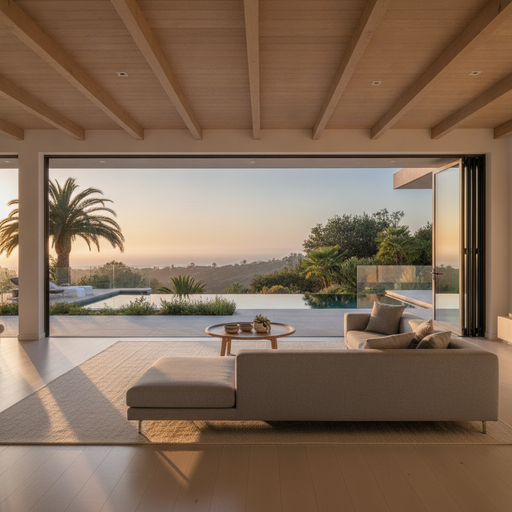
One of the greatest strengths of the ranch home is its coection to the outdoors. Most ranch designs feature large sliding glass doors or “L-shaped” layouts that hug a central patio. Your landscaping should treat the outdoors as an extension of your living room.
To achieve this, level your patio with your interior floor. When the doors are open, the transition should feel invisible. Use large-format natural stone tiles that mimic the color of your interior flooring to blur the lines between inside and out. To add a touch of “cozy,” incorporate a pergola draped in climbing vines like Jasmine or Wisteria. This provides dappled shade during the hot afternoon sun while creating an intimate “ceiling” for your outdoor dining area.
5. The Coastal Fire Pit: The Heart of the Garden
Every coastal ranch needs a focal point for the evening. There is something deeply primal and relaxing about sitting by a fire while listening to the waves in the distance. Instead of a standard metal fire bowl, consider a built-in stone fire pit surrounded by Adirondack chairs in soft “sea glass” colors like pale blue, mint green, and sandy beige.
Position your fire pit in a spot that offers a clear view of the sunset or the ocean. Surround the area with a thick layer of beach sand or smooth river pebbles to reinforce the seaside theme. This becomes the “storytelling” hub of the home, where memories are made over toasted marshmallows and shared stories.
6. Lighting: Capturing the Evening Glow
As the sun dips below the horizon, your landscaping should take on a new life. Coastal lighting should be subtle and warm. Avoid harsh floodlights that kill the atmosphere. Instead, use “path lights” tucked into the grasses to create a soft glow along the walkways. Up-lighting a sculptural piece of driftwood or a particularly beautiful tree can create dramatic shadows and add depth to the yard after dark.
Solar-powered lanterns hanging from porch eaves or tree branches add a whimsical, “nautical” touch. The goal is to mimic the soft, amber light of a lighthouse or a campfire, keeping the environment tranquil and serene.
7. Low-Maintenance Xeriscaping for the Busy Homeowner
The best coastal ranch landscaping is the kind that lets you spend more time in a hammock and less time with a lawnmower. Xeriscaping—a method of landscaping that reduces or eliminates the need for irrigation—is perfect for the coast. By using native plants and organic mulches, you create a self-sustaining ecosystem.
Replace large, thirsty lawns with “meadow” zones filled with native wildflowers and grasses. Not only does this look more authentic to the coastal environment, but it also attracts local pollinators like butterflies and birds. Use a thick layer of cedar mulch or pine needles in garden beds to retain moisture and suppress weeds, giving you more time to enjoy the salt air.
Conclusion: Your Personal Seaside Sanctuary
Transforming a coastal ranch isn’t just about adding curb appeal; it’s about creating a lifestyle. It is about crafting a space that feels like a permanent vacation—a place where the boundaries between the natural world and your private home melt away. By choosing resilient, salt-tolerant plants, embracing natural materials, and designing for comfort and flow, you can turn your property into a true seaside sanctuary.
Whether you are sipping your morning coffee while watching the fog roll in or hosting a summer barbecue under the stars, your coastal landscape will be the backdrop for a life well-lived. So, grab a shovel, find some local inspiration at the beach, and start building the coastal retreat of your dreams.